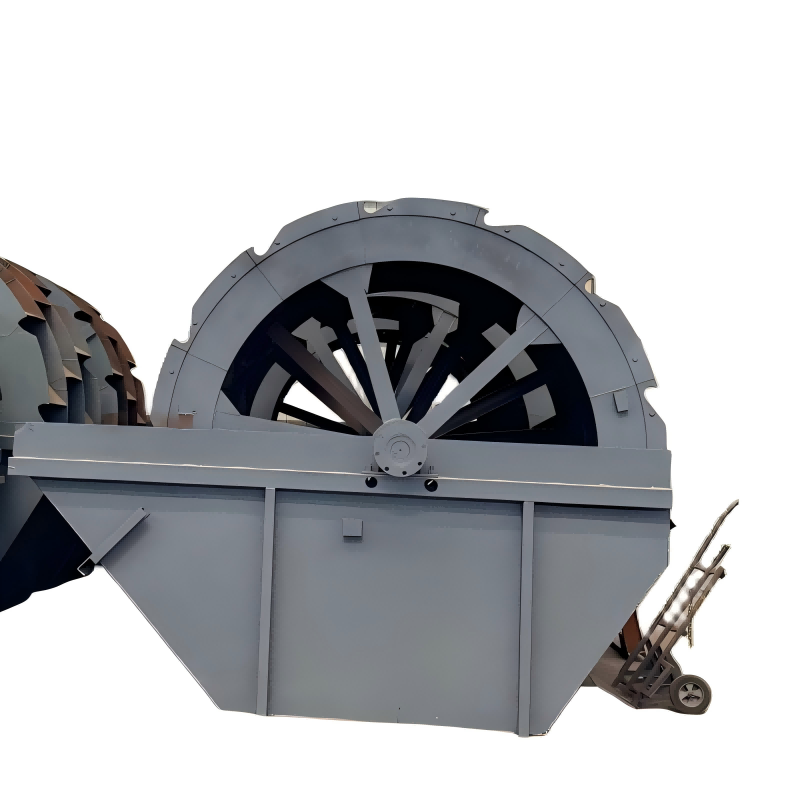
Product Description
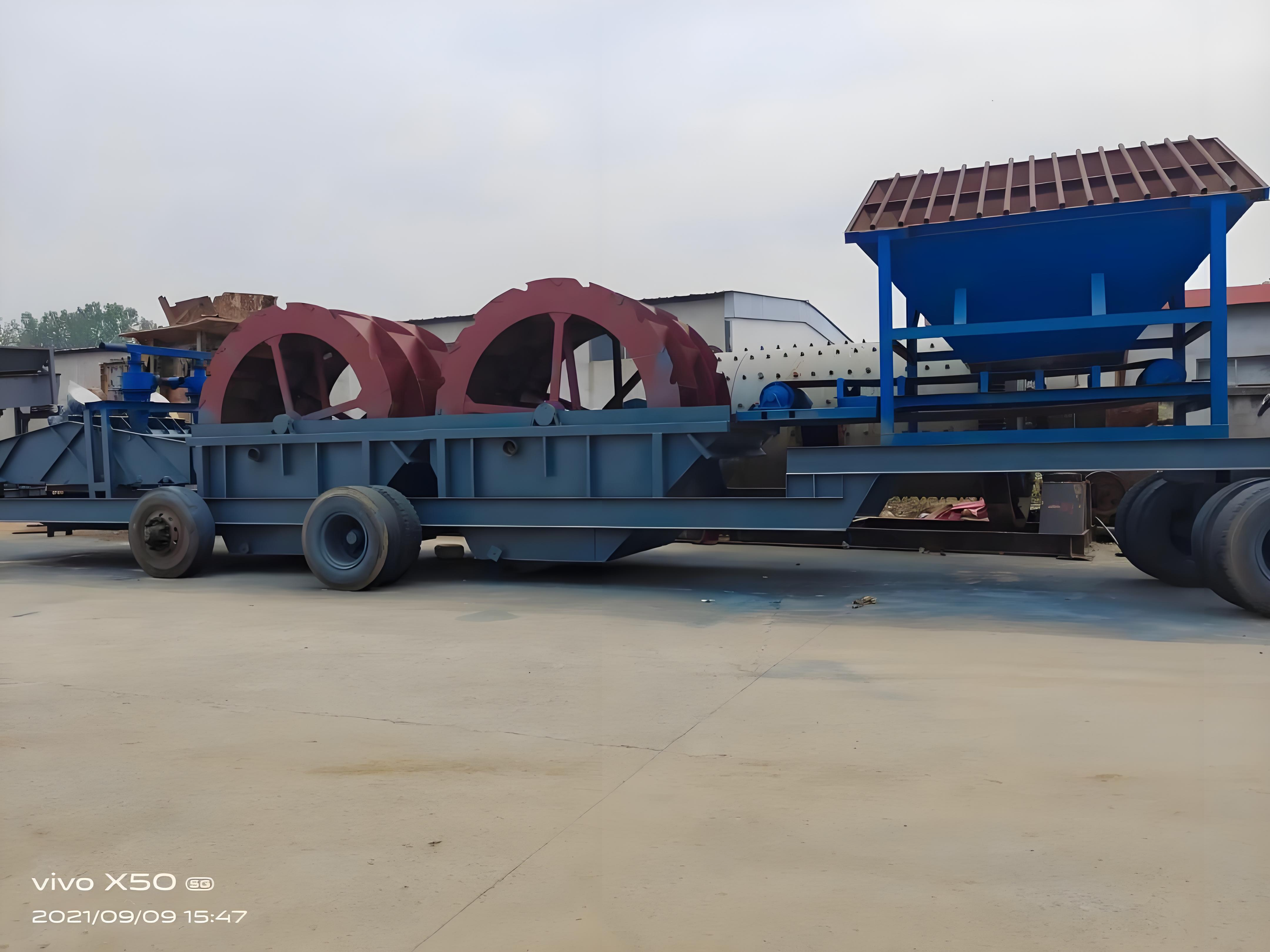
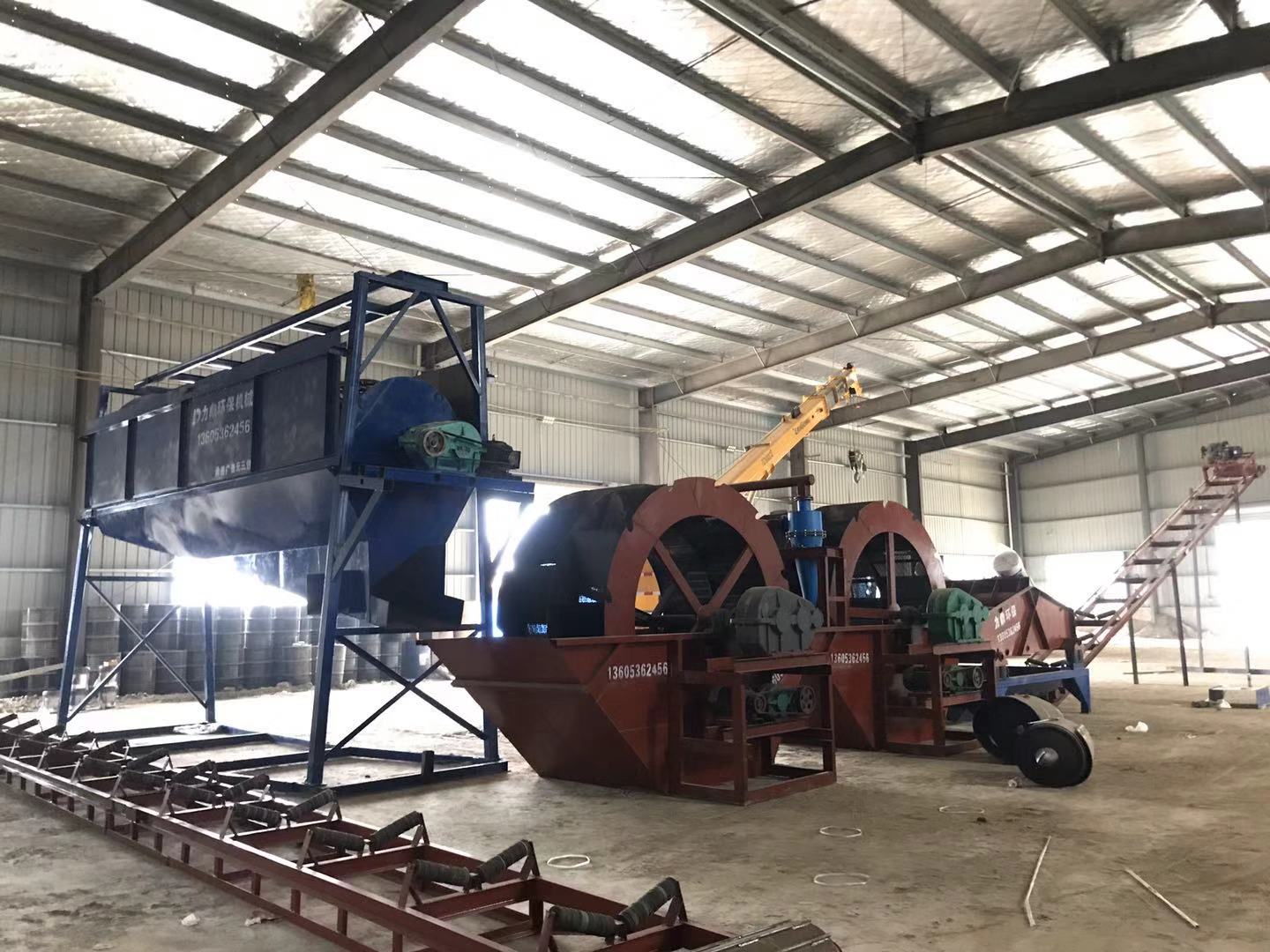
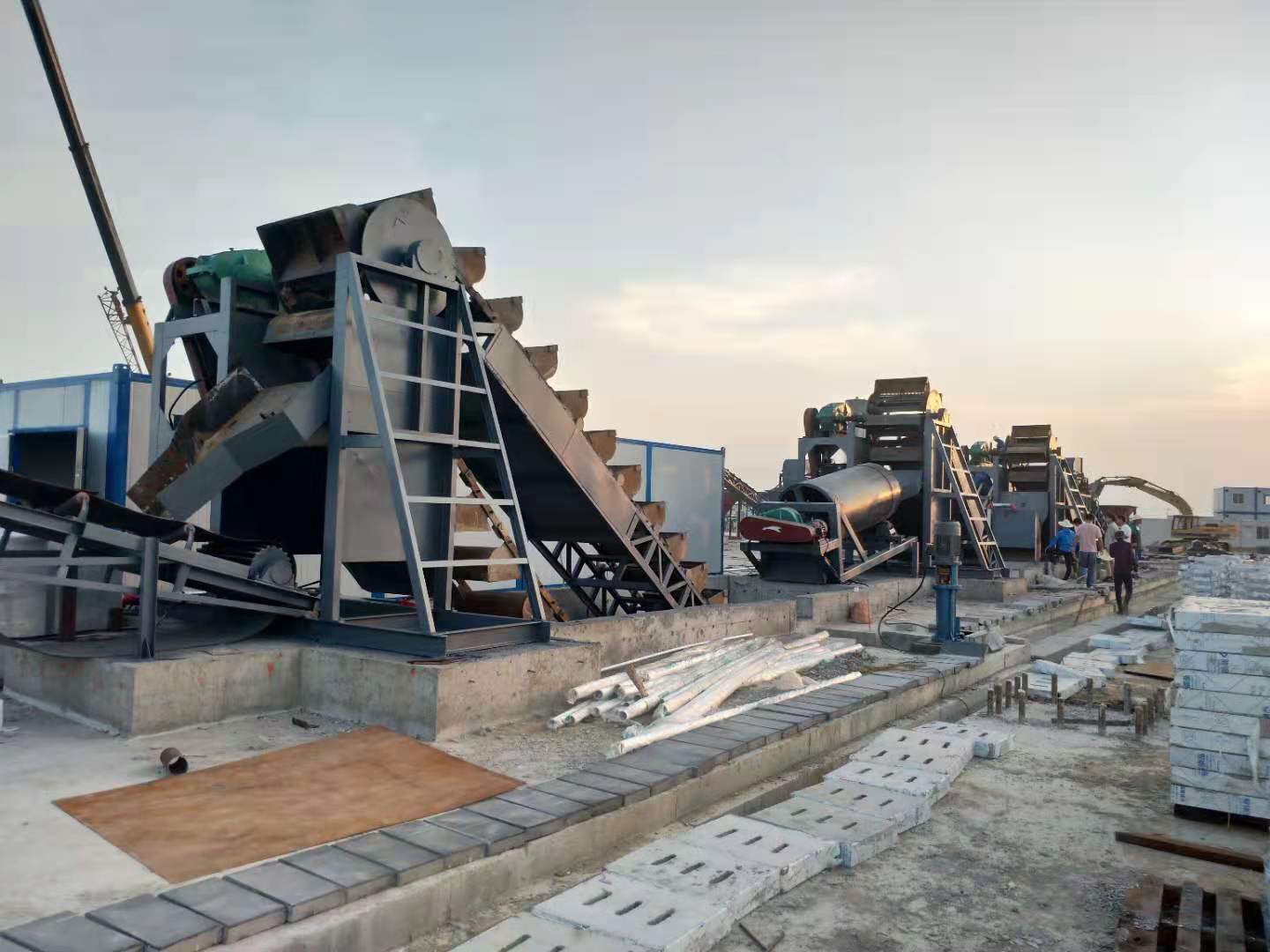
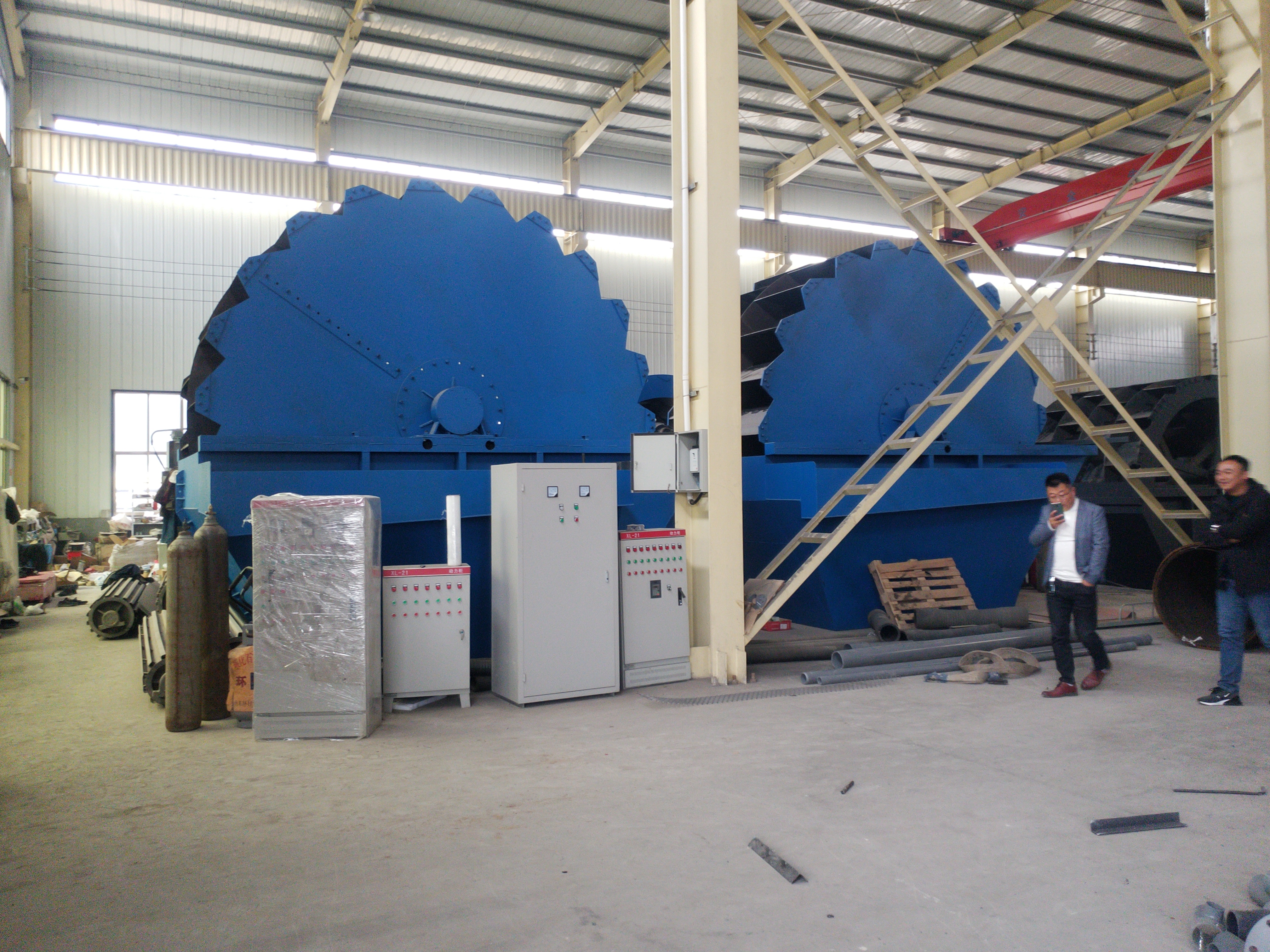
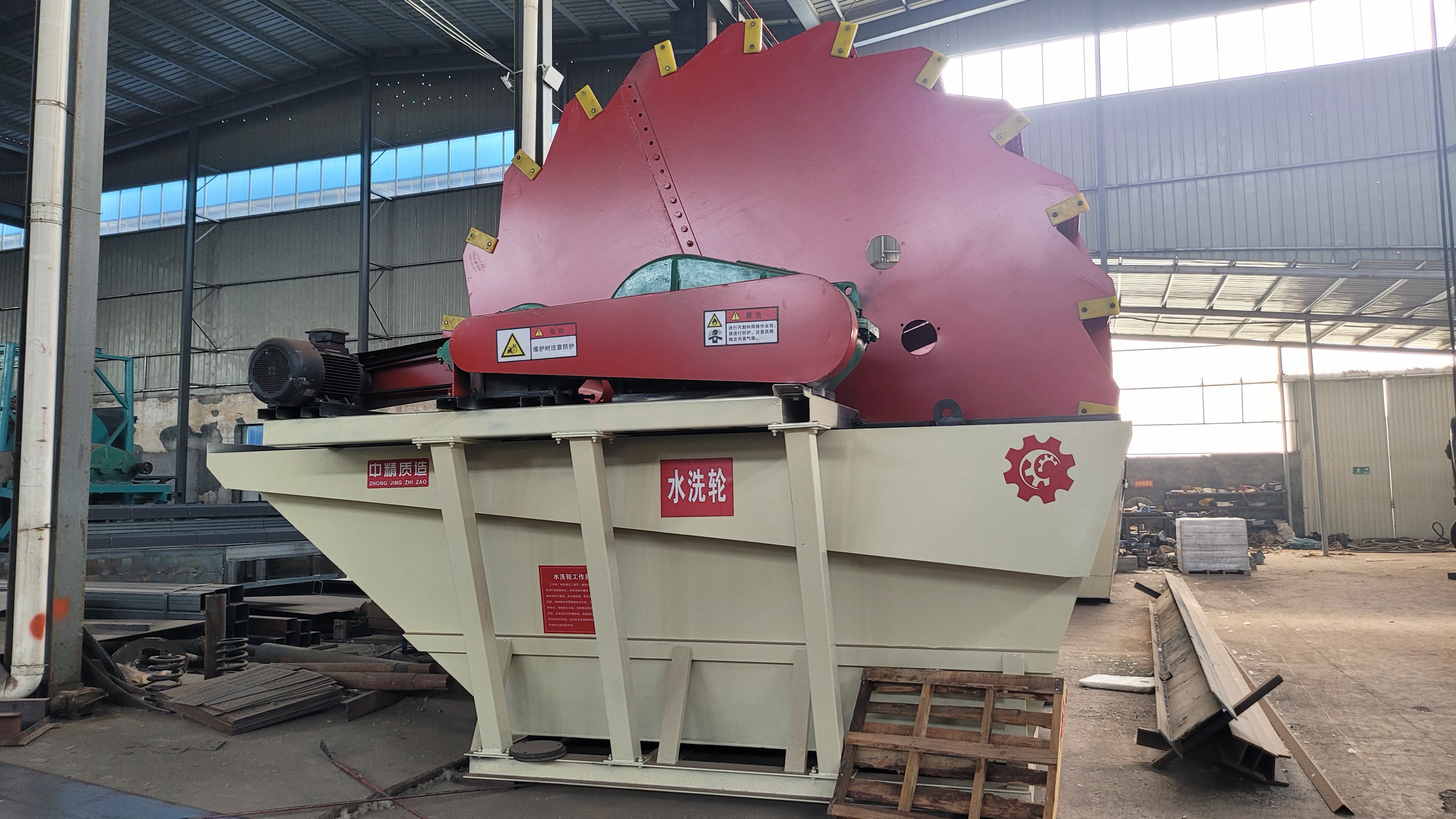
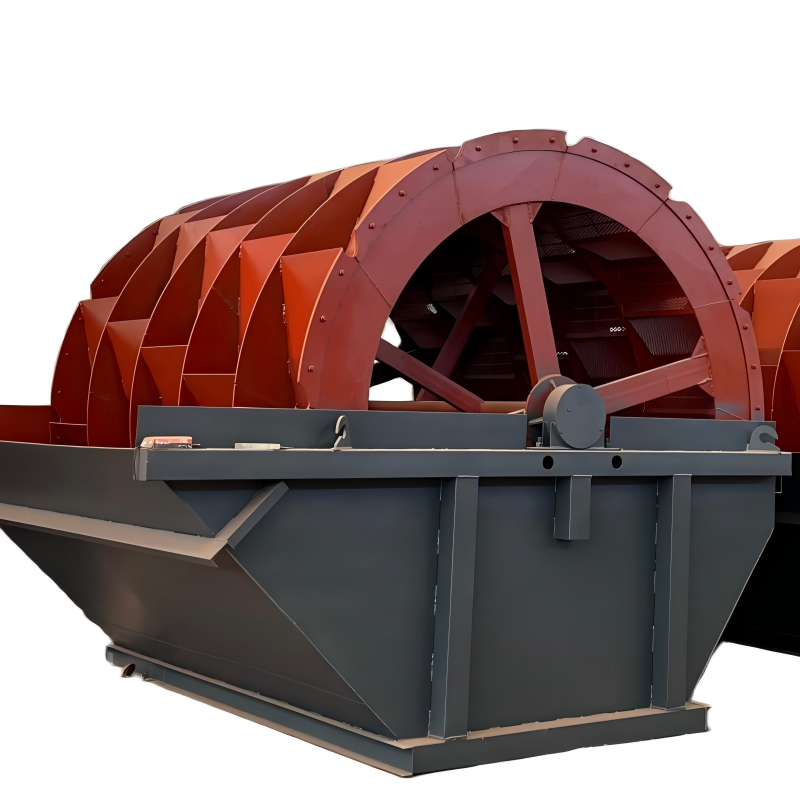
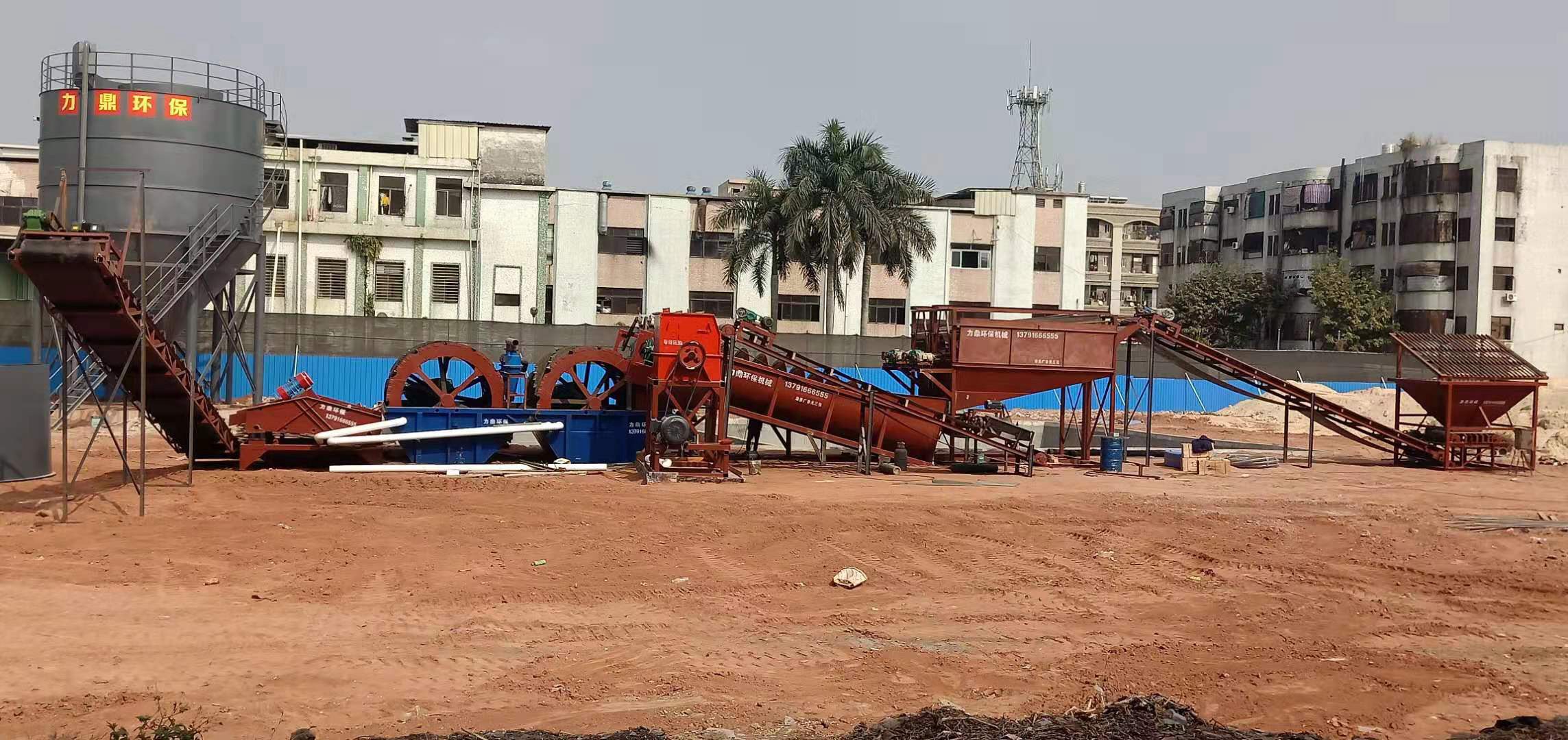
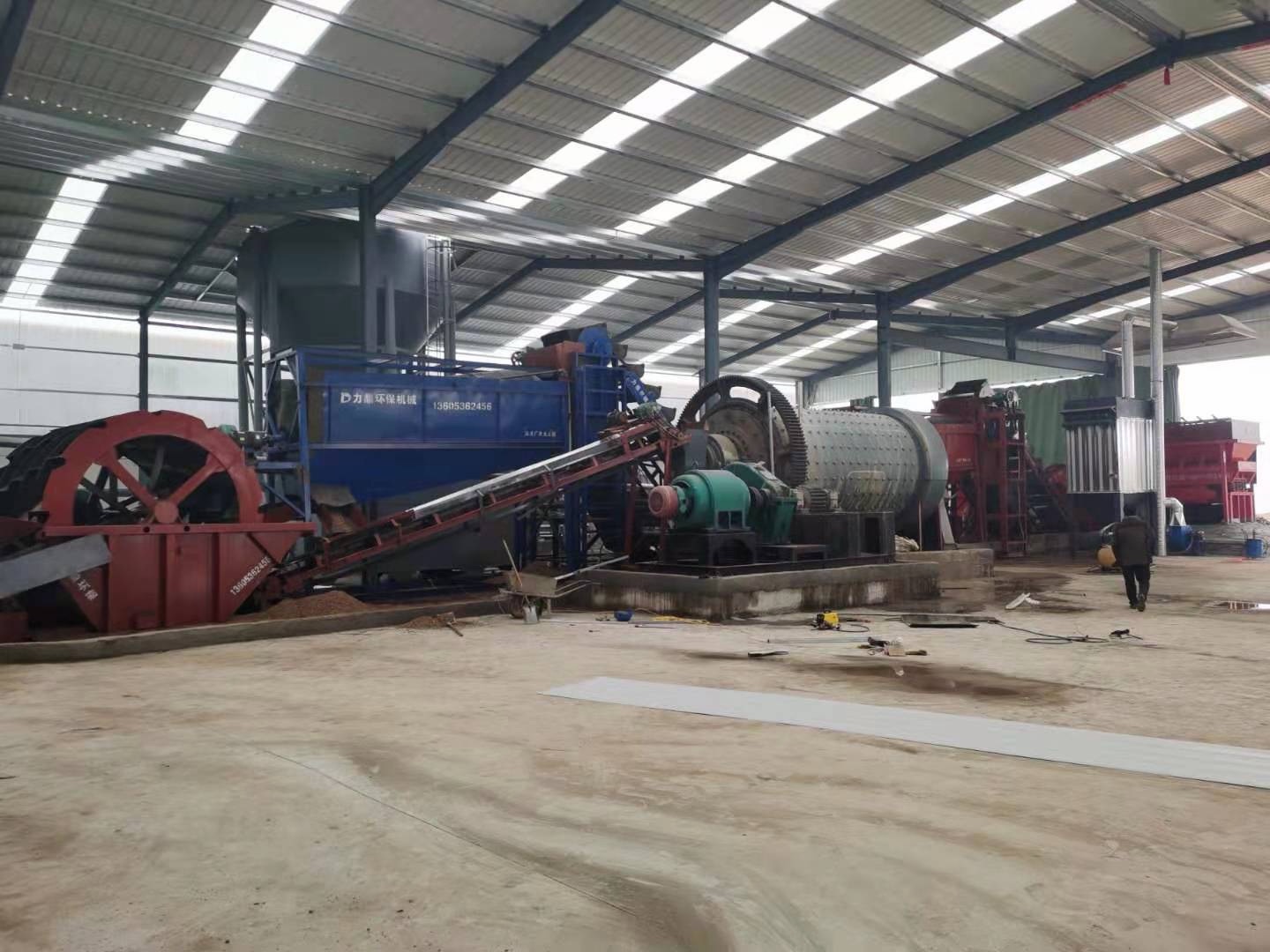
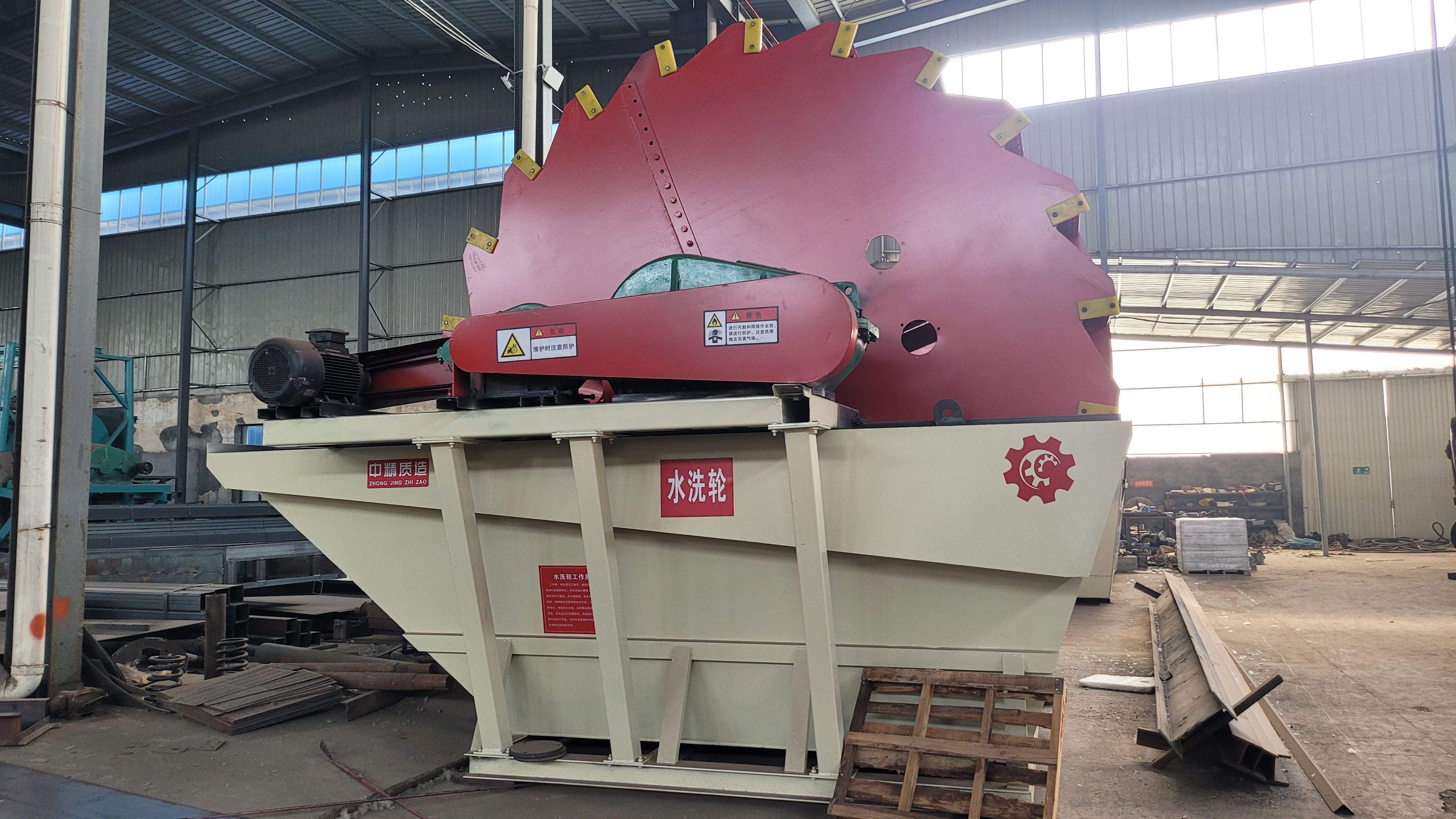 The main function of the wheel-type sand washing machine is to remove soil and impurities from the sand. The cleaning process requires a large amount of water, so our wheel-type sand washing machine needs to be installed in a place where water can be easily accessed. Leading has a professional installation guidance team of 20 people, which can design and install a solution based on the customer's terrain. Through the stirring of the wheel-type sand washing machine's impeller, the soil can be more fully mixed into the water flow. The sand after cleaning has a very low content of soil, meeting the standards for construction applications. The mobile energy system produced by Leading Company for the wheel-type sand washing machine is all equipped with a waterproof cover to avoid malfunctions during water washing and increase the durability of the machine. The structure of the wheel-type sand washing machine is simple, installation is convenient, has a long service life, and has low maintenance costs. No chemical agents need to be added during the cleaning process, and water can be recycled, which is environmentally friendly and has a large processing capacity, meeting the needs of large-scale production. Compared with some traditional sand washing equipment, the washing efficiency can be increased by more than 20%. This equipment is widely used in sand and gravel plants, mines, building materials, transportation, chemical industry, water conservancy and hydropower, concrete mixing stations, etc., especially suitable for the cleaning, classification and impurity removal of sand for construction and road construction.
Technical Parameters
| Model | Wheel Diameter (mm) | Capacity (t/h) | Power (kW) | Water Consumption (m³/h) | Weight (kg) |
|---|---|---|---|---|---|
| LD-2610 | 2600 | 20–40 | 7.5 | 10–20 | 3200 |
| LD-2810 | 2800 | 50–80 | 11 | 15–25 | 4500 |
| LD-3015 | 3000 | 80–120 | 15 | 20–30 | 6200 |
| LD-3220 | 3200 | 120–180 | 18.5 | 25–40 | 7800 |
Note: Custom Wheel Sand Washer models available upon request.
Product Features
Why Choose This Wheel Sand Washing Equipment
1. Stable and durable with a low failure rate
The impeller drive bearing device features a waterproof and sand-proof isolation design, preventing immersion in water and wear from impurities, extending the service life of core components. The overall structure is streamlined, with few easily damaged parts besides the screen, resulting in fewer daily operational failures and reduced downtime for maintenance.
2. Energy-saving and low operating costs
Compared to traditional sand washing equipment, the motor power is appropriately matched, resulting in low operating energy consumption. The washing process requires no chemical additives and can be equipped with a water circulation system for water resource reuse, significantly saving on operating costs such as water, electricity, and consumables.
3. Flexible and adaptable to a wide range of applications
Supports single/double/triple impeller options, with processing capacities ranging from 15-300 t/h, adaptable to different capacity requirements of small sand and gravel plants, medium-sized production lines, and large-scale production. It can wash various sand and gravel raw materials such as river sand, manufactured sand, and quartz sand, and is widely used in sand and gravel plants, mines, building materials, and water conservancy and hydropower industries. 4. Uniform Discharge and Good Compatibility
The washed sand and gravel are smoothly conveyed to the discharge chute by the impeller, resulting in uniform and unobstructed discharge. It can be seamlessly integrated with subsequent equipment such as belt conveyors and vibrating screens without affecting the overall operating efficiency of the sand and gravel production line.
5. Convenient Operation and Simple Maintenance
The machine is easy to install with low foundation requirements, eliminating the need for complex civil engineering. Only a simple inspection is required before startup, and the operating procedures are easy to understand, allowing even beginners to quickly learn how to operate it. Routine maintenance only requires periodic lubrication, cleaning of debris, and inspection of vulnerable parts, minimizing maintenance workload.
Application Scenarios
1. Core Washing and Processing Equipment for Sand and Gravel Yards: Suitable for various large, medium, and small sand and gravel quarries, this equipment removes mud, grades, and purifies raw materials such as river sand, manufactured sand, and mountain sand, producing finished sand that meets construction standards. It is a core component of sand and gravel production lines.
2. Mining and Processing Stages: Used for washing ore aggregates after crushing and screening in mines. It removes mud, dust, and impurities from the aggregate surface, improving aggregate quality. Suitable for processing various ores such as limestone, granite, and basalt.
3. Supporting Production in the Building Materials Industry: Provides clean sand and gravel raw materials for cement plants, brick factories, and precast component factories, ensuring the production quality of building materials such as cement, concrete, and wall materials. It meets the needs of large-scale and standardized production in the building materials industry.
4. Road and Bridge Construction Engineering: Mobile/fixed sand washing operations at construction sites process sand and gravel raw materials for engineering projects, meeting the immediate needs for clean sand and gravel in infrastructure projects such as road base paving, bridge pile foundations, and pier pouring.
5. Construction Waste Recycling
Participating in the construction waste crushing and recycling process, cleaning the soil and construction waste debris from the recycled sand and gravel aggregates, achieving the purification and reuse of recycled sand and gravel, meeting the needs of environmentally friendly recycled building materials production.
About Us
We are Leading Environmental Protection Technology Co., Ltd., specializing in the R&D, production, and sales of wheel-type sand washing machines and sand and gravel processing solutions, serving industries such as construction, mining, river sand, and quarries. With over 20 years of industry experience, our equipment is known for its stable performance, reliable quality, and long service life.
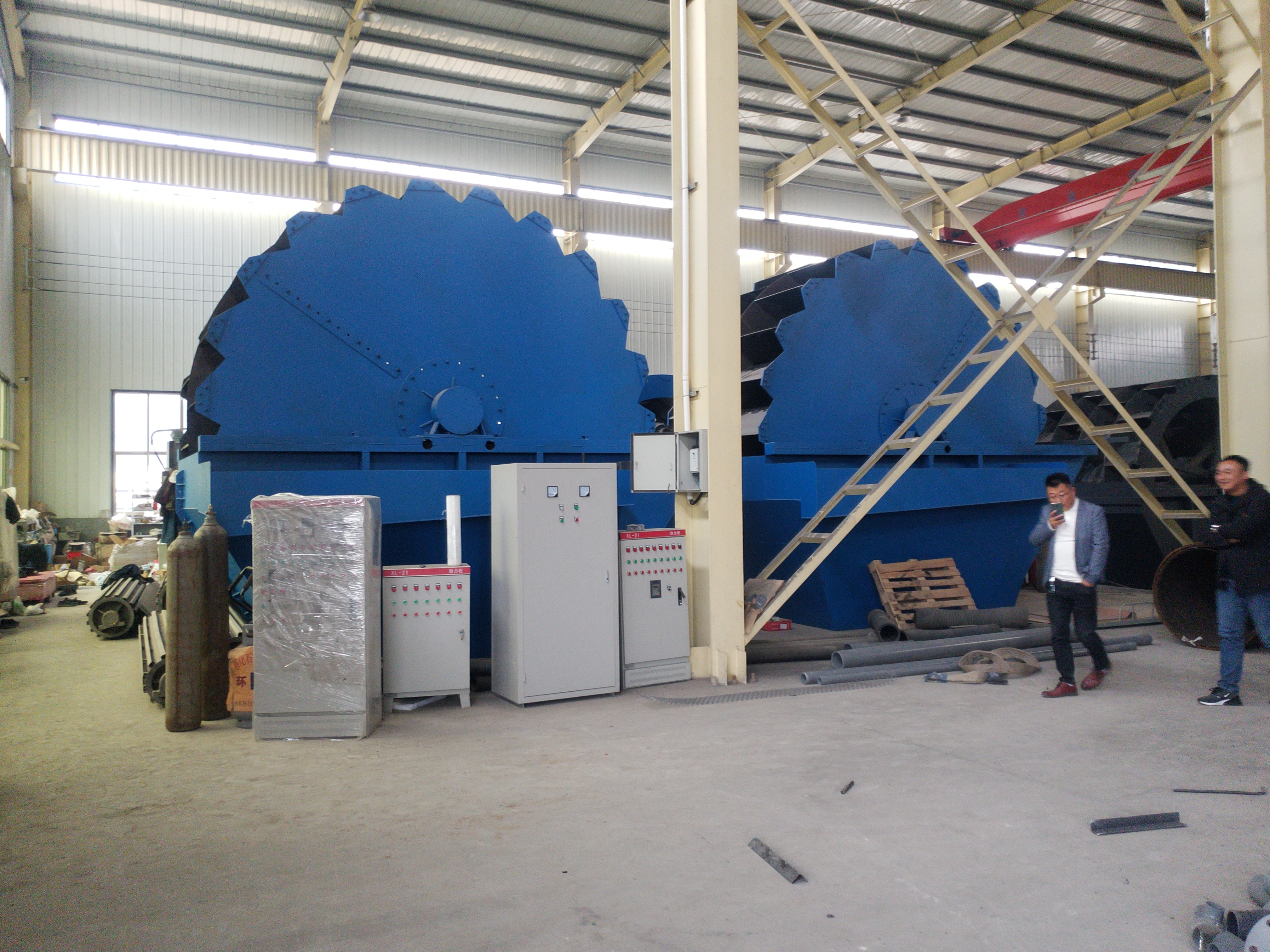
Our company's production area covers 10,000 square meters and is equipped with two modern production lines, with an annual capacity of 600-1000 sand washing machines. We have a professional R&D engineering team and over 20 skilled employees.
Our equipment is exported to Africa, Latin America, South America, and Asia, and has been successfully installed and applied in countries such as Nigeria and Kenya. These machines provide reliable support for local infrastructure construction, aggregate production, river sand washing, and quarrying operations. We also offer customized sand washing solutions, including capacity matching, site layout optimization, and technical guidance.
FAQ
1. What precautions should be taken during operation?
Before starting the machine, check that the impeller, bearings, and belts are normal and free from jamming; turn on water before feeding material. Before stopping the machine, stop feeding material and then turn on water again for 1-2 minutes to flush out residual sand and gravel inside the machine. Prolonged high-speed operation without load is strictly prohibited.
2. How to solve excessive equipment vibration?
If the foundation is not stable, reinforce the foundation and implement vibration damping; if the impeller is worn unevenly, causing a shift in the center of gravity, repair or replace the impeller; if the base bolts are loose, tighten all fixing bolts one by one.
3. How to handle excessive dust during sand washing?
Install spray devices or dust covers at the feed and discharge ports; install bag filters around the machine; implement closed-loop treatment for the sand and gravel conveying process to reduce dust dispersion.
80–200 tons per hour
50 tons per hour is relatively small.
Within 20 cm
Yes, it can.
No more than 3%